March 6, 2026
Trees are more than just aesthetic additions to our landscapes—they are vital environmental allies that improve both air and water quality while enhancing urban livability. Through their canopies, trees filter pollutants and particulates, reduce greenhouse gases, moderate local temperatures, and mitigate the urban heat island effect. Their roots stabilize soil, prevent erosion, and naturally filter water, contributing to healthier ecosystems and cleaner waterways. When supported by professional local tree services and community engagement, these benefits are amplified, creating greener, healthier, and more sustainable communities for all.
The Role of Trees in Air Quality Improvement
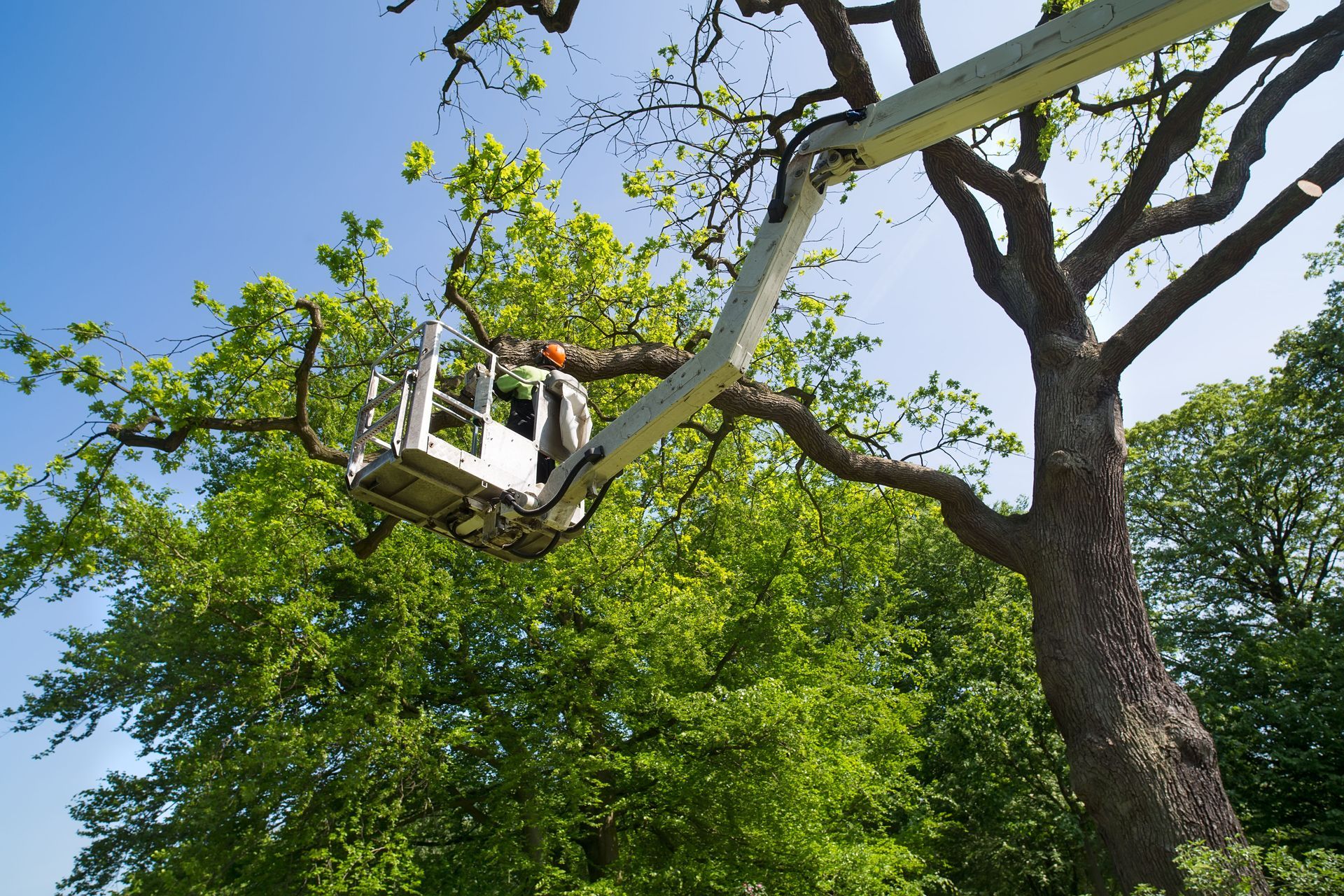
Tree canopies are a natural defense against the deleterious effects of air pollution. By capturing particulates, leaves and branches filter out harmful substances, reducing their presence in the atmosphere. This process not only enhances air purity but also protects human health from respiratory ailments linked to pollution. Furthermore, the presence of lush tree canopies can reduce noise pollution, creating a quieter and more serene urban environment. Maintaining these canopies through professional local tree services ensures they remain effective barriers against environmental pollutants.
Trees play a crucial role in the carbon cycle, absorbing carbon dioxide and releasing oxygen through photosynthesis. This natural process significantly mitigates climate change impacts by reducing greenhouse gases in the atmosphere. Healthy trees help maintain the atmospheric balance necessary for all life, promoting overall ecological health. By sequestering carbon, they play a key role in the fight against climate change—an essential service given rising global emissions. Tree services ensure that urban and rural trees can perform optimally, reinforcing their capacity to purify the air.
Trees influence local microclimates by moderating temperature, humidity, and wind patterns. Their ability to provide shade makes them indispensable in reducing heat exposure and cooling urban spaces, especially during hotter months. With proper tree canopy management, they can help maintain lower surface temperatures, reducing the heat island effect prevalent in urban areas. Moreover, trees influence precipitation patterns by contributing moisture through transpiration, enhancing local air conditions. By investing in tree services, communities can optimize these benefits, creating more comfortable living conditions.
The Urban Heat Island (UHI) effect is a phenomenon where urban areas become significantly warmer than their rural counterparts due to human activities and infrastructure. Trees are vital in mitigating UHI by providing shade and releasing water vapor through transpiration, effectively cooling the surrounding air. This natural cooling effect can significantly reduce the energy consumption needed for air conditioning, leading to cost savings and reduced emissions. According to studies, areas with ample tree cover can be up to 10 degrees cooler than those without. Therefore, regular maintenance by local tree services is essential to sustain these benefits, enhancing urban livability.
In cities like New York and Los Angeles, strategic tree planting and maintenance have led to substantial improvements in air quality. For instance, New York City's Million Trees Project aimed to increase tree canopy cover, resulting in measurable reductions in airborne pollutants. Similarly, tree planting initiatives in Los Angeles have focused on areas with poor air quality, demonstrating the tangible benefits of trees in urban settings. These examples underscore the effectiveness of integrating tree services into urban planning. With continued support, these programs can serve as models for other communities aiming to improve their air quality.
The Impact of Trees on Water Quality
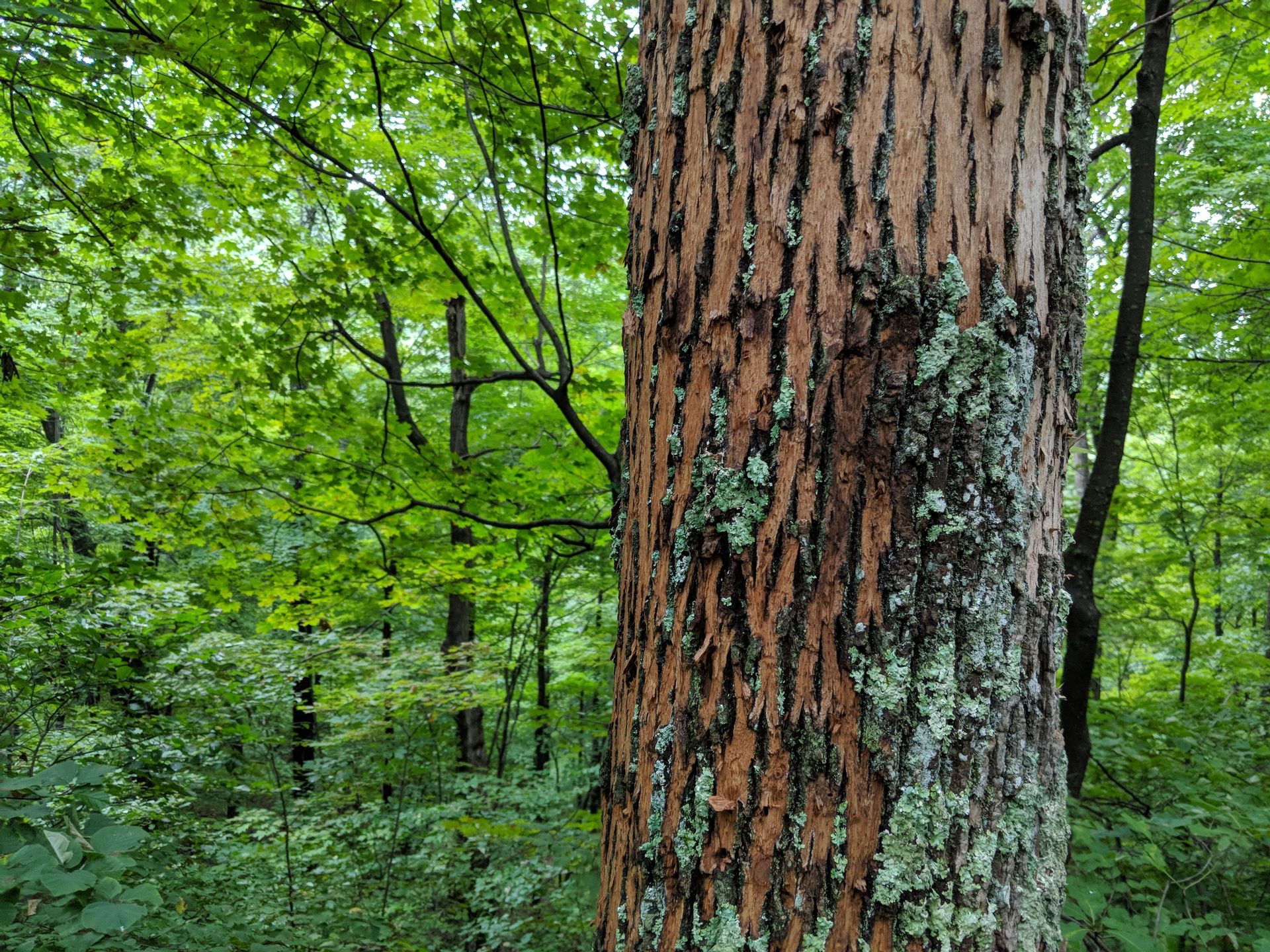
Tree roots are integral to soil health, providing stability and preventing erosion. This stabilization is essential in protecting waterways from excessive sedimentation, which can degrade aquatic habitats. By securing the soil, roots help maintain the clarity and quality of water bodies, ensuring ecosystems remain vibrant. In urban areas, maintaining healthy tree roots through local tree services can prevent soil degradation and contribute to cleaner water surfaces. Therefore, the ecological benefits of trees extend beyond air quality, underscoring their role in comprehensive environmental stewardship.
Trees act as natural filters, capturing pollutants before they can reach water bodies. Through root absorption, they can intercept nitrogen, phosphorus, and other harmful chemicals present in urban runoff. This filtration process is especially vital during heavy rainfalls when runoff is most prevalent, preventing the contamination of local streams and rivers. According to the Environmental Protection Agency, healthy urban trees maintained by arborists can reduce stormwater runoff by up to 17 percent. By enhancing the natural filtration capacity of ecosystems, local tree services contribute significantly to maintaining clean, healthy water sources.
Trees play a pivotal role in the water cycle, regulating local climate patterns through the process of transpiration. By releasing water vapor, they contribute to humidity levels and precipitation patterns, supporting a balanced hydrological cycle. This can lead to increased rainfall in drier regions, promoting agricultural viability and ecosystem health. The water-cooling effect from transpiration also mitigates temperature extremes, highlighting the multifunctional role of trees. Through sustained tree service initiatives, communities can harness these benefits, contributing to long-term water resource management.
Trees, particularly those in riparian zones, provide critical habitat support for wetland ecosystems. These areas are crucial for biodiversity, offering breeding grounds and refuge for numerous species. Additionally, wetlands act as natural water purification systems, filtering pollutants and sediments from water. Trees enhance the ecological function of wetlands, supporting nutrient cycling and providing structural habitat. As such, actively supporting tree services ensures the sustainability and vitality of these essential ecosystems, crucial for both biodiversity and water quality.
Community Engagement and Tree Planting Initiatives
Community engagement through volunteer programs can significantly enhance local green spaces. Partnerships between municipalities, nonprofits, and residents focus on expanding tree coverage and improving urban air and water quality. By involving residents in tree planting and maintenance, these programs foster ownership and pride in local landscapes. Such collaborative efforts are essential in cities aiming for sustainable development and improved quality of life. Funding and support for these programs can maximize their impact, ensuring long-term success and environmental benefits.
Raising awareness of the benefits trees provide is crucial in building community support for local tree services. Through educational campaigns, residents can learn about the ecological and economic advantages of maintaining urban forests. Workshops, seminars, and informational materials help demystify tree care, making it more accessible to the general public. By emphasizing the importance of trees for air and water quality, these campaigns encourage proactive community engagement in forestry initiatives. Effective education strategies are fundamental to fostering an informed and supportive public, ready to advocate for urban greenery.
Integrating trees into urban planning is key to creating sustainable cities. Green infrastructure, including parks, green roofs, and street trees, can enhance stormwater management, reduce pollution, and improve public spaces. Trees offer aesthetic and recreational value, increasing the livability and attractiveness of urban environments. By prioritizing green infrastructure in city development plans, municipalities can address environmental challenges while promoting economic growth. This forward-thinking approach requires partnerships with tree services to ensure healthy urban forests and their maximized ecological impact.
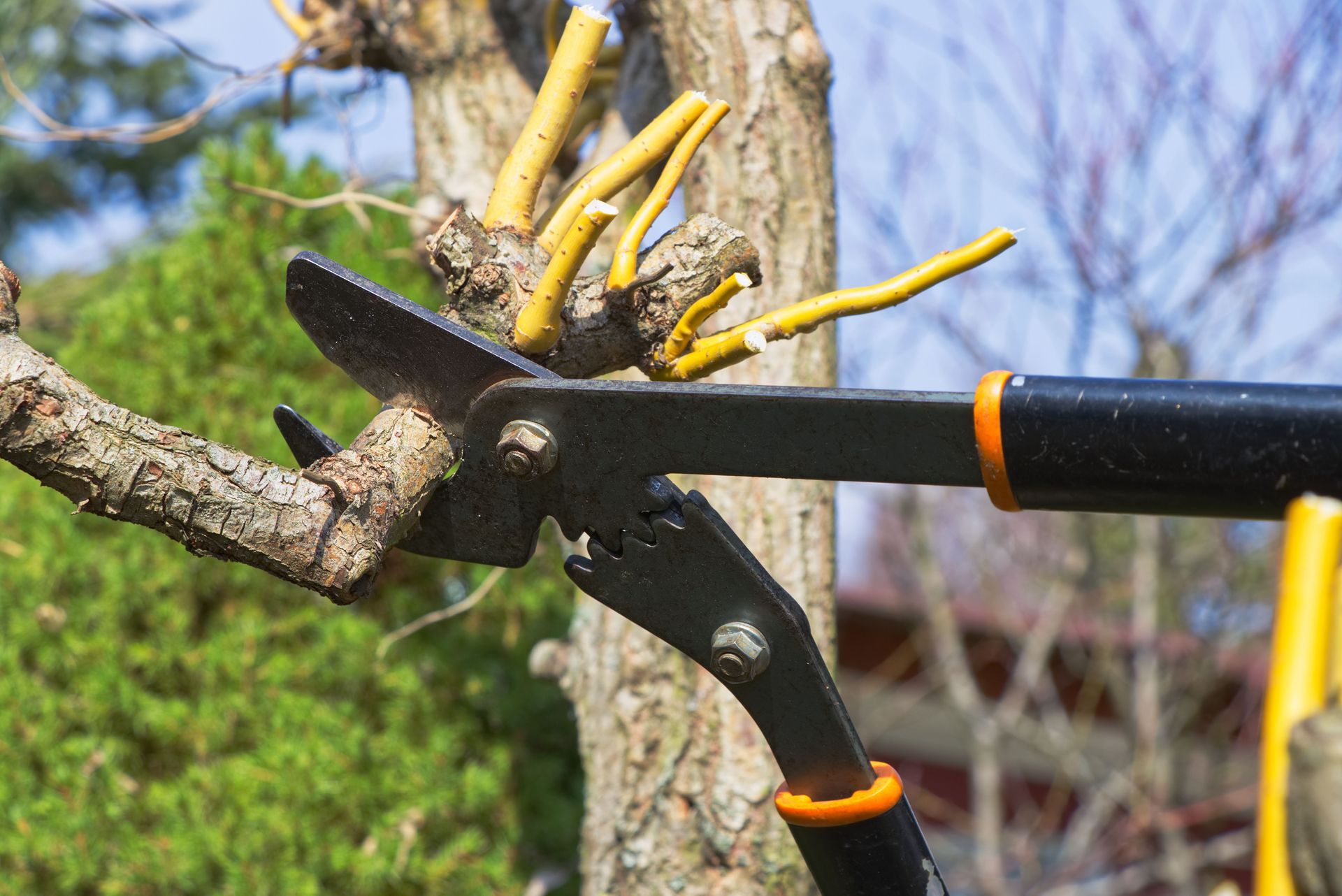
From purifying the air we breathe to safeguarding water resources and fostering biodiversity, trees play an indispensable role in maintaining environmental health. Strategic planting, proper maintenance, and active community involvement ensure that these natural assets continue to provide ecological, economic, and social benefits. By investing in local tree services and urban forestry initiatives, communities can enhance quality of life, mitigate environmental challenges, and create resilient, sustainable spaces. Supporting tree programs today is an investment in a cleaner, healthier, and greener future. Contact Lasbury Tree and Shrub LLC to learn more!