September 3, 2026
Trees contribute beauty, shade, and structure to residential and commercial landscapes, but they can also attract insects and other pests that affect their health. Some infestations become obvious through visible insects, while others remain hidden until a tree begins showing signs of stress or decline. Recognizing changes in bark, leaves, branches, and overall growth can help property owners understand when professional evaluation may be necessary. A local arborist can identify potential pest problems and determine whether treatment, monitoring, or other tree care services are appropriate.
Recognizing Changes in Tree Leaves
Changes in leaves are among the most noticeable signs that a tree may be experiencing a health problem. Discoloration, premature leaf drop, holes, unusual spots, curling, or distorted growth can sometimes indicate insect activity. While these symptoms can also result from weather, disease, soil conditions, or other environmental factors, they warrant attention when they appear suddenly or affect a large portion of the canopy. A professional evaluation can help determine what is causing the change.
Leaf damage can vary considerably depending on the pest involved. Some insects feed directly on leaves, while others affect the tree's ability to transport nutrients and water. An infestation may begin in one section of the canopy and gradually spread if conditions remain favorable. A local arborist can inspect affected foliage and surrounding areas to identify patterns that may help determine the source of the problem.
Identifying Unusual Bark Damage
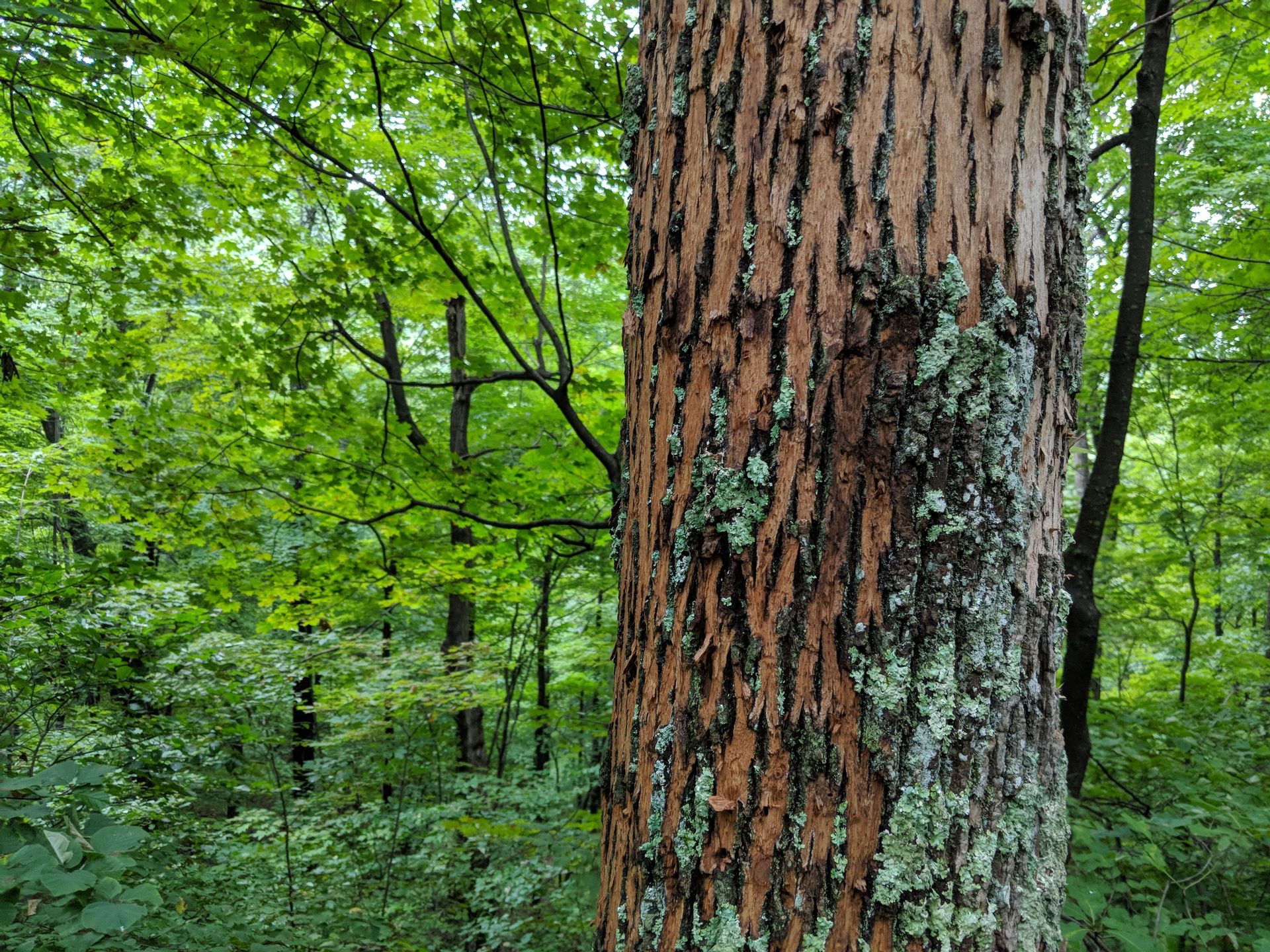
Tree bark provides important protection for the underlying tissues, making changes to its appearance worth monitoring. Peeling, cracking, holes, galleries, loose bark, or areas of unusual discoloration may indicate pest activity. Certain insects live beneath the bark, where they can interfere with the tissues responsible for transporting water and nutrients. Damage in these areas can become increasingly serious if an infestation remains unaddressed.
Not every bark defect is caused by insects, so identifying the cause requires careful assessment. Physical injuries, environmental stress, fungal problems, and natural characteristics can produce similar appearances. A local arborist can examine the affected bark and surrounding portions of the tree to distinguish between potential causes. This helps ensure that any recommended treatment addresses the actual condition affecting the tree.
Detecting Branch Dieback
Dead or declining branches can be another indication of an underlying tree health problem. Pest activity may interfere with the flow of water and nutrients, causing portions of a tree to weaken or die. Dieback may begin with small branches before progressing into larger sections of the canopy. When dead areas continue to expand, professional evaluation becomes increasingly important.
The location and pattern of branch dieback can provide useful information during an inspection. Damage concentrated around certain areas may point toward a localized issue, while widespread decline can indicate a more significant problem. A local arborist can evaluate affected branches along with the trunk, canopy, and surrounding environment. This broader assessment can help determine the severity and possible cause of the decline.
Finding Insect Activity
Visible insects are an obvious potential warning sign, but their presence does not always mean a tree is experiencing a damaging infestation. Some insects live on trees without causing significant harm, while others can create serious problems when populations increase. Identifying the type of insect and understanding its behavior are important parts of evaluating the situation. Professional tree care specialists have the knowledge needed to assess these factors.
Signs of insect activity can include clusters of insects, larvae, eggs, webbing, holes, or residue on leaves and branches. Different pests leave different evidence, and some remain difficult to see without a close inspection. A local arborist can examine the tree for both visible pests and secondary indicators of their presence. This can help determine whether intervention is necessary and what type of tree care may be appropriate.
Observing Sawdust-Like Material
Small piles or accumulations of material resembling sawdust around the base of a tree or near openings in the trunk can warrant professional attention. Certain wood-boring insects produce material as they tunnel through affected areas. The presence of this material does not automatically confirm a specific pest, but it can indicate that insects are interacting with the tree's wood.
Wood-boring activity can be particularly concerning because it may occur inside the trunk or branches where damage is difficult to observe. As tunnels expand, they can interfere with important tissues and weaken structural areas. A local arborist can inspect the tree for additional evidence of boring activity and assess whether the affected areas pose a health or structural concern. Early professional evaluation can provide more information about the extent of the issue.
Noticing Excessive Sap or Residue
Unusual amounts of sap, sticky residue, or dark material on branches and leaves can sometimes be associated with insect activity. Certain pests feed on plant fluids and may cause trees to produce visible defensive responses. Other insects can leave behind substances that collect on foliage and nearby surfaces. These signs should be considered alongside other symptoms rather than viewed in isolation.
The location of residue can also provide clues during a professional inspection. Material concentrated around certain branches, leaves, or bark openings may help identify where activity is occurring. A local arborist can examine these areas and look for additional evidence of pests or related tree health concerns. Professional assessment can help distinguish pest-related residue from other sources.
Watching for Crown Decline
A healthy tree generally produces a full canopy appropriate for its species and growing conditions. Thinning foliage, dead branches, sparse growth, or sections of the crown that appear noticeably weaker can indicate stress. Pest infestations are one possible cause, although disease, environmental conditions, and root problems can produce similar symptoms. Changes in the canopy are therefore important observations for a professional to evaluate.
Crown decline may develop gradually, making it easy to overlook until a substantial portion of the tree is affected. Comparing seasonal growth patterns and observing changes across the entire canopy can provide useful information. A local arborist can assess the tree's overall condition and look for evidence connecting canopy decline with pest activity. This can help establish whether the issue requires treatment or additional monitoring.
Assessing Tree Structural Damage
Pest infestations can affect more than a tree's appearance. Insects that damage wood or weaken branches may contribute to structural problems over time. Cavities, weakened limbs, deadwood, cracks, and other defects can create concerns when they occur in important structural areas. Professional assessment is particularly relevant when affected trees are near buildings, walkways, vehicles, or other frequently used spaces.
A
local arborist can evaluate structural conditions while also considering the tree's overall health. This may involve examining the trunk, major limbs, branch unions, and canopy for signs of weakness. The presence of pest activity does not necessarily mean a tree must be removed, but structural concerns should be assessed carefully. Professional recommendations can help property owners understand the condition of an affected tree.
Evaluating Advanced Tree Decline
Some infestations may progress to a point where significant portions of the tree become severely damaged or decayed. At that stage, treatment may not always be sufficient to restore the tree's condition. According to Today's Homeowner, a tree that has more than 50% decay or damage may be a candidate for removal. This guideline highlights why evaluating the extent of tree damage is an important part of professional tree care.
If you have noticed unusual changes in your trees, our team can provide a professional assessment and explain the available options. We can evaluate signs of pest infestation and determine whether treatment, pruning, monitoring, or other services may be appropriate. Contact Lasbury Tree and Shrub LLC to schedule an evaluation and take the next step toward maintaining the health and safety of your trees.