September 9, 2026
Tree care involves much more than cutting away branches or removing a tree that appears unhealthy. Every tree has its own structure, growth pattern, condition, and potential hazards, so proper care requires expert knowledge and careful judgment. While some routine landscape tasks can be handled by property owners, complex tree work presents risks that can quickly turn a seemingly simple project into a dangerous situation.
Professional arborists understand how trees respond to pruning, disease, injury, environmental stress, and structural problems. They also know how to perform demanding work while protecting people, buildings, utility lines, and surrounding landscapes. Hiring qualified professionals can help ensure that tree care decisions are based on the condition and needs of the individual tree rather than guesswork.
Expert Knowledge Supports Better Tree Care
Understanding Tree Health and Structure
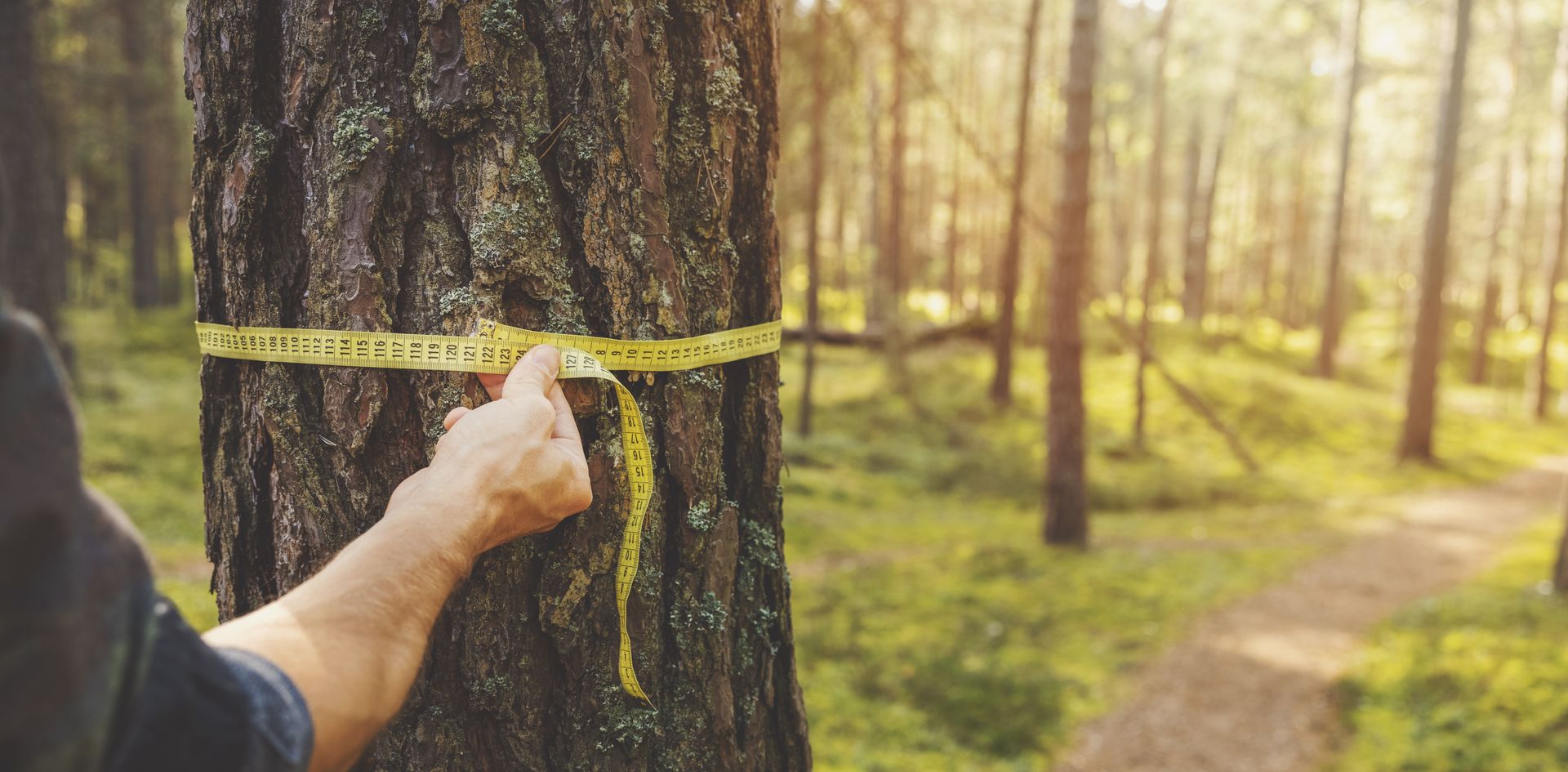
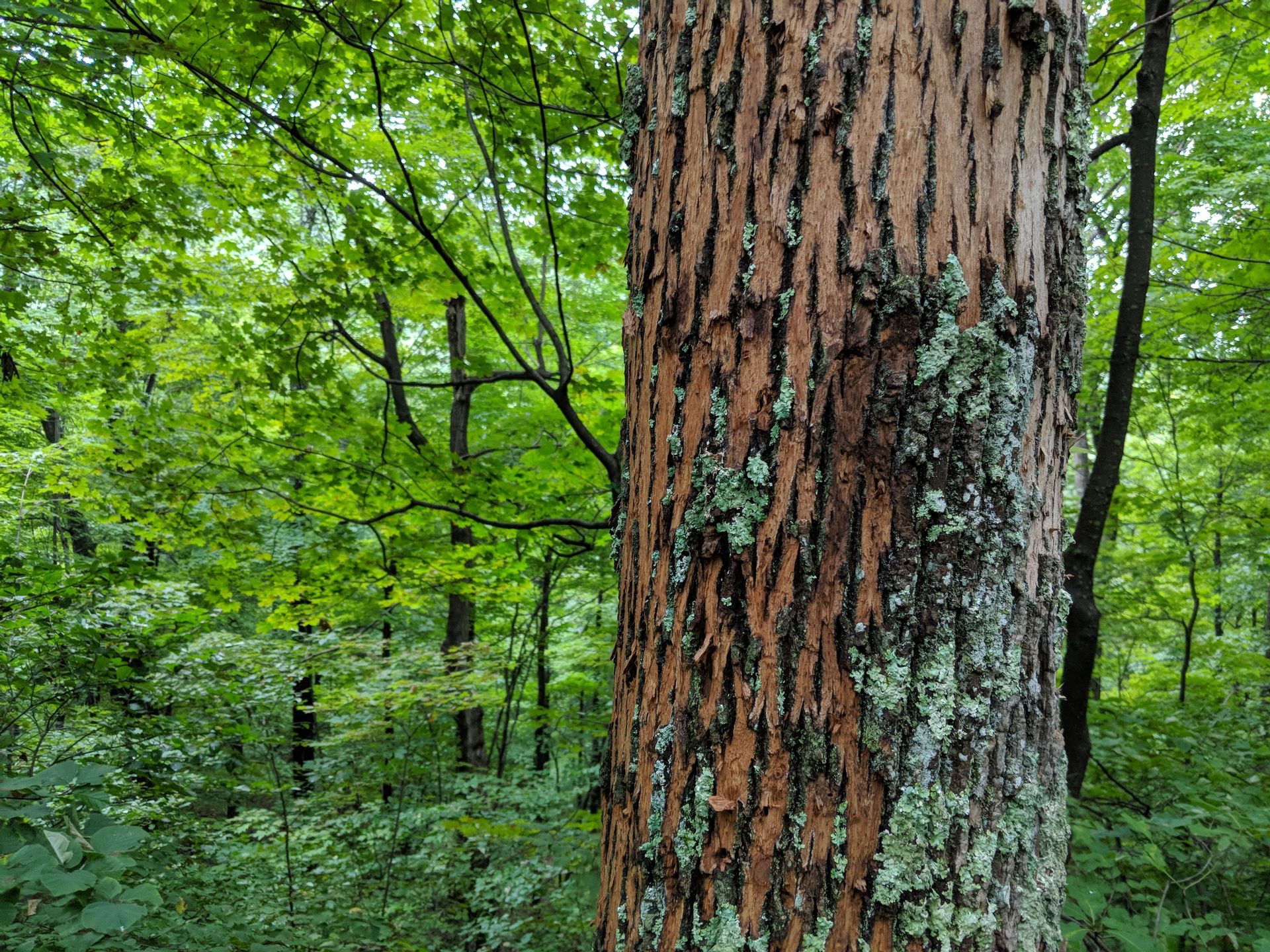
Trees can develop problems that are difficult for an untrained person to recognize. Changes in foliage, dead branches, cracks, cavities, fungal growth, or unusual leaning may indicate underlying structural or health concerns. Professional arborists are trained to evaluate these symptoms in context and determine whether a tree needs pruning, monitoring, treatment, or removal.
Proper tree care also requires understanding how branches connect to the trunk and how weight is distributed throughout the canopy. Removing too much live growth or making poorly positioned cuts can weaken a tree, encourage decay, or create additional structural problems. A professional approach considers the tree's current condition as well as how the recommended work could affect its future growth.
Selecting Appropriate Pruning Techniques
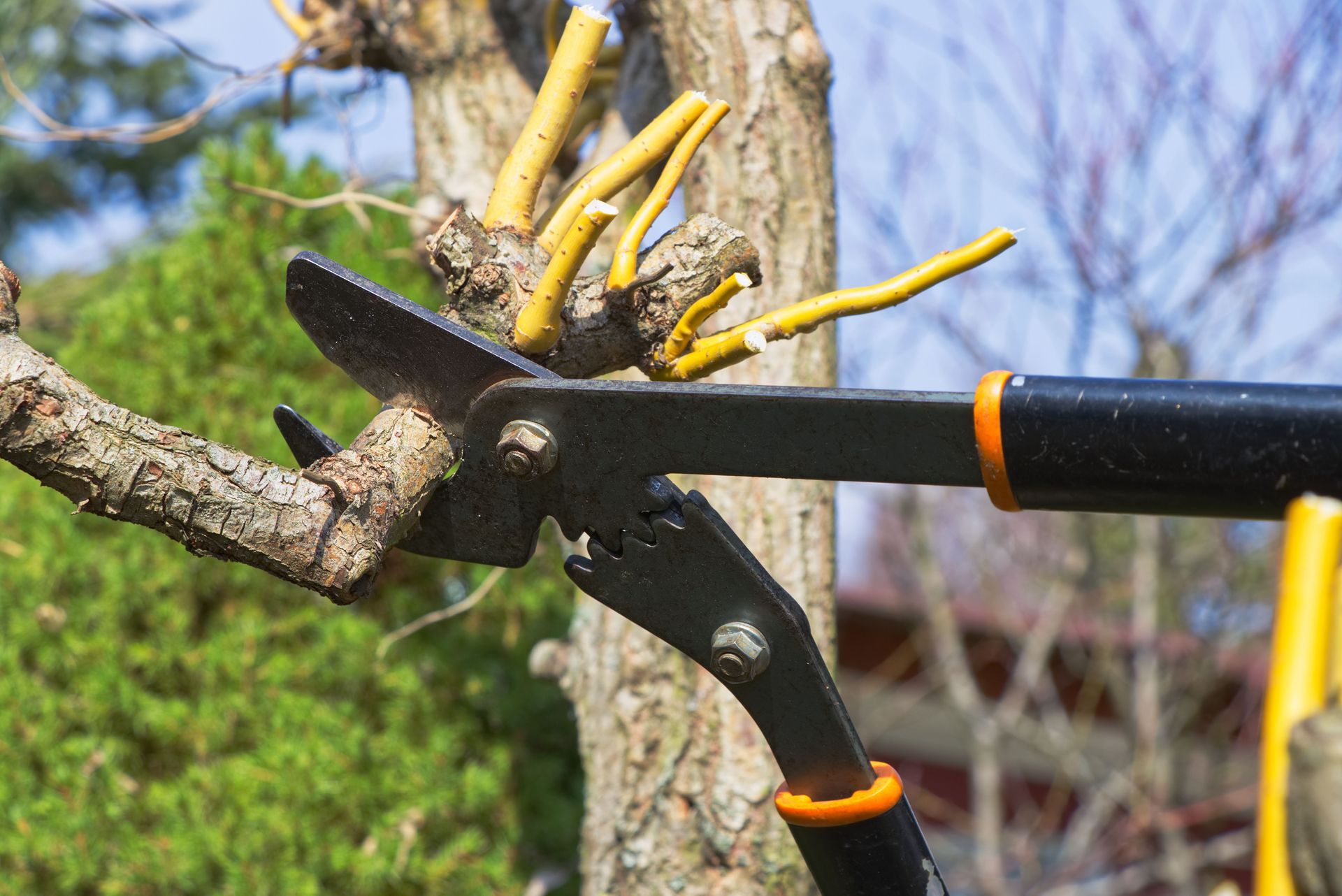
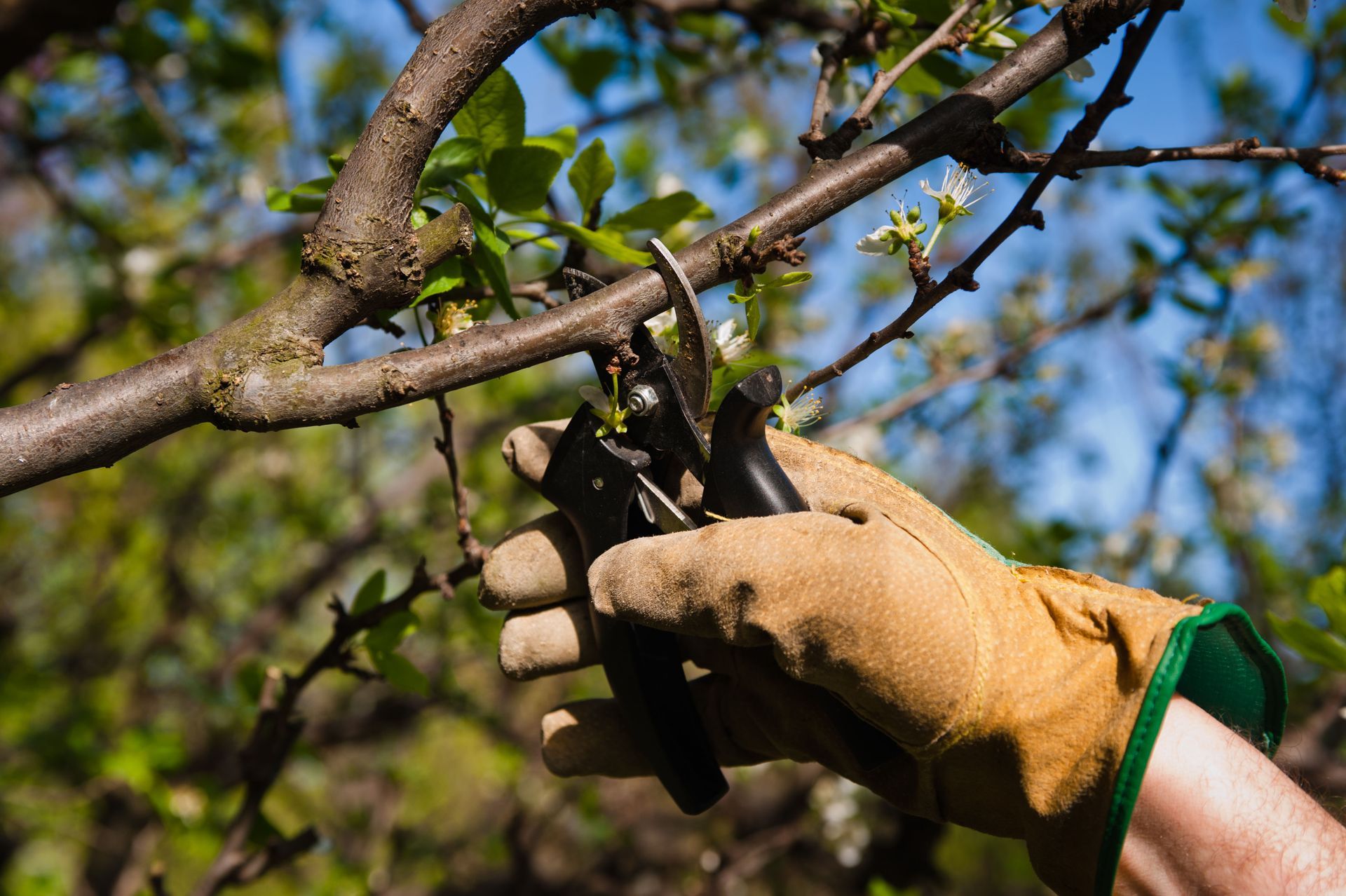
Pruning is not simply a matter of cutting branches wherever they appear inconvenient. Different cuts serve different purposes, and their placement can affect wound development, branch stability, and the tree's natural form. Professional arborists know how to identify branches that should be removed and determine where cuts should be made to support proper growth and reduce unnecessary injury.
The equipment used for pruning also depends on branch size and the nature of the work. For example, pruning saws have long, narrow blades resembling carpenter saws and are intended for branches larger than 1.5 inches in diameter, according to This Old House. Selecting suitable equipment and using it correctly helps reduce the likelihood of damaging the tree or losing control of the cutting tool.
Recognizing Pests and Diseases
Tree health problems can sometimes resemble one another, making accurate diagnosis important. A thinning canopy, discolored leaves, premature leaf drop, or branch dieback could result from disease, insects, environmental stress, root problems, or a combination of factors. Treating the wrong problem can waste time and potentially make conditions worse.
Professionals can assess symptoms alongside factors such as species, site conditions, seasonal changes, and the tree's history. They may also recommend monitoring, preventative measures, or management strategies when immediate removal is not necessary. This type of evaluation is especially valuable for valuable, mature, declining, or historically significant trees.
Professional Tree Work Requires Serious Safety Measures
Working at Height Creates Significant Hazards
Many tree-care tasks require workers to operate well above ground level, where a mistake can result in severe injury. Climbing trees, using aerial equipment, handling cutting tools, and moving through dense canopies all require specialized training and appropriate safety procedures. Wet conditions, unstable branches, hidden defects, and changing weather can add further complications.
Professional arborists understand how to evaluate these hazards before beginning work. They use appropriate climbing and personal protective equipment and follow procedures designed to reduce the risks associated with elevated work. Their experience also helps them recognize when a branch, trunk, or entire tree may not safely support a worker.
Falling Branches Can Endanger People and Property
Even a relatively small branch can cause serious damage when it falls from a significant height. Larger limbs can threaten homes, vehicles, fences, landscaping, utility infrastructure, and people on the ground. Predicting how a branch will move after it is cut requires an understanding of its weight, attachment points, surrounding obstacles, and the forces involved.
Rather than simply allowing branches to fall, controlled lowering is often required for safe removal. Professionals can establish work zones, manage equipment, and use appropriate rigging techniques when necessary. These precautions are particularly important when trees are located close to structures, roads, walkways, or other areas where falling material could cause significant harm.
Chainsaws and Other Equipment Require Training
Chainsaws and other powered equipment can cause serious injuries when used improperly. Cutting at an incorrect angle, losing control of a saw, standing in an unsafe position, or failing to account for branch movement can create dangerous conditions. Tree work can also require equipment that is difficult to operate safely from elevated positions.
Professional arborists receive training in equipment operation and work practices appropriate to tree-care environments. They also understand that the safest method is not always the fastest-looking one. Taking time to assess the tree, establish a controlled work area, and select the proper equipment can substantially reduce unnecessary exposure to hazards.
Experienced Assessment Helps With Complex Tree Decisions
Large and Declining Trees Need Careful Evaluation
Large or declining trees can present complicated questions for property owners. Visible defects do not always indicate that a tree must be removed, while seemingly minor problems can sometimes point to significant structural concerns. Determining the appropriate response requires an assessment of the tree, its surroundings, and the potential consequences of failure.
Professional arborists can evaluate trees for signs of decline, damage, decay, and structural instability. They can also help property owners understand whether a tree may be appropriate for continued monitoring, corrective pruning, treatment, or removal. This informed approach can help prevent both unnecessary removals and delayed responses to serious hazards.
Tree Care Can Affect Construction and Property Plans
Construction, excavation, grading, and other property improvements can have significant effects on existing trees. Cutting roots, changing soil conditions, compacting the ground, or altering drainage can stress trees even when no branches or trunks are directly damaged. Planning tree protection measures before work begins is therefore important when development occurs near established trees.
A professional evaluation can identify trees that should be preserved and help determine appropriate protection strategies during construction. Professionals can also provide documentation and guidance when tree preservation requirements, municipal regulations, insurance matters, or other formal considerations affect a project. Addressing these concerns early can make tree-related decisions more manageable.
Long-Term Management Is Better Than Reactive Care
Tree care is most effective when it considers more than the immediate problem. A tree that appears healthy today may develop structural, pest, or disease concerns later, while an existing issue may require monitoring rather than a single treatment. Developing a long-term management strategy can help property owners recognize changes before they become more difficult to address.
Professional arborists can help establish care plans based on tree condition, species, location, and property priorities. Regular assessments may identify developing problems, guide appropriate pruning, and help determine when additional treatment or removal should be considered. This proactive approach also gives property owners a clearer understanding of what their trees may require over time.
Professional tree care combines knowledge of tree biology, pruning practices, disease and pest management, structural assessment, and workplace safety. Attempting complex work without the necessary training can put people and property at unnecessary risk while potentially causing lasting damage to the tree itself. Working with qualified professionals provides a safer way to address demanding tree-care needs.
Whether a property contains a large declining tree, requires pruning near a structure, or needs guidance following unexpected tree damage, professional evaluation can help determine an appropriate course of action. With the right expertise and safety practices, property owners can make informed decisions while protecting their trees, landscapes, and surrounding property. Be sure to contact Lasbury Tree and Shrub LLC for a professional tree care consultation and keep your property's trees healthy and safe.