May 5, 2026
Trees play an essential role in supporting environmental balance, enhancing outdoor spaces, and contributing to overall landscape value. An arborist is a professional focused on the care, health, and long-term management of trees and shrubs. Through careful evaluation and maintenance strategies, an arborist helps ensure that trees remain strong, stable, and able to thrive in their environments. This role involves both observational skill and applied plant health knowledge to support long-term landscape conditions.
Healthy trees contribute to cleaner air, improved shade, and more visually appealing properties. They also support surrounding ecosystems by providing habitat and contributing to soil stability. An arborist evaluates these benefits while also monitoring for early signs of decline that could affect overall tree performance. According to Better Homes and Gardens, having mature trees in the yard can increase home value by 10% to 20%.
An arborist works by diagnosing tree and shrub health concerns, managing pests, supporting disease control, and providing maintenance recommendations. Arborists also assist with preventive care and emergency response situations where trees may pose a safety concern or require immediate attention. These responsibilities help ensure landscapes remain stable and well-managed over time. Consistent evaluation allows potential issues to be addressed before they progress.
Essential Tree Health
All in all, tree health depends on a combination of structural stability, soil conditions, and ongoing care, and an arborist plays a central role in evaluating these factors. Healthy trees typically display balanced growth, consistent foliage development, and strong branch structure. Early identification of stress indicators helps reduce the likelihood of long-term damage. Regular observation supports healthier and more resilient landscapes.
Soil conditions play an important role in supporting tree and shrub health. Factors such as nutrient availability, compaction, and drainage can all influence root development and overall vitality. Arborists evaluate these conditions and recommend appropriate care strategies to support healthier growing environments. Adjustments to soil conditions can significantly improve long-term plant stability.
Water availability is another key factor in maintaining plant health. Different tree and shrub species have varying needs depending on environmental conditions and site characteristics. Arborists consider these factors when assessing overall landscape health and recommending care adjustments. Proper balance in moisture levels helps reduce stress on trees and shrubs.
Accurate Tree Diagnosis
An arborist evaluates early signs of disease and stress to maintain healthy trees and shrubs. Visual symptoms such as discoloration, canopy thinning, and branch decline help guide diagnosis. These observations allow targeted care strategies to be developed before conditions worsen. Early intervention supports stronger long-term outcomes.
Certain diseases can impact specific tree species, including issues affecting elms and beech trees. An arborist evaluates these conditions and develops targeted management approaches to help preserve affected trees and limit further spread within the landscape. Monitoring is essential to reduce long-term impact. Care strategies are adjusted based on severity and progression.
Pest activity can also impact tree and shrub health. Arborists identify insect-related issues such as emerald ash borer infestations, implementing management strategies to reduce damage and protect surrounding plant material. Timely intervention helps limit spread within the landscape. This approach supports healthier overall growing conditions.
Tree structure and stability are also evaluated as part of overall risk assessment. An arborist examines trunk condition, branching patterns, and general structural integrity to identify potential concerns and recommend appropriate care solutions. These assessments help reduce safety risks in residential and managed landscapes. Ongoing monitoring supports long-term stability.
Effective Pruning Practices
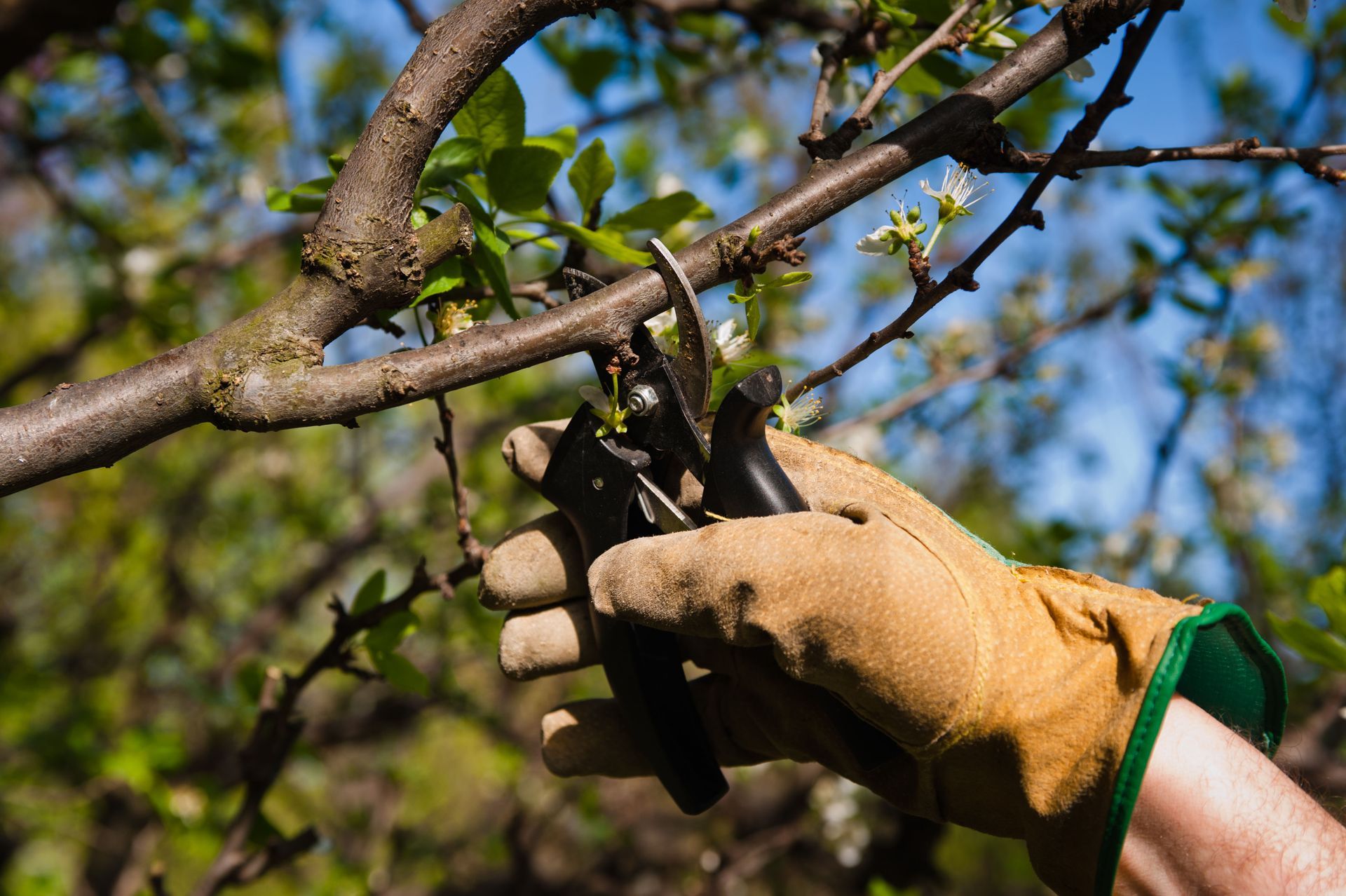
Pruning is an important part of maintaining tree and shrub health, and an arborist applies this technique to support long-term structure. Removing dead, damaged, or unnecessary branches helps support healthy growth and improves overall structure. It can also improve airflow and light penetration within the canopy. These improvements contribute to overall plant vitality.
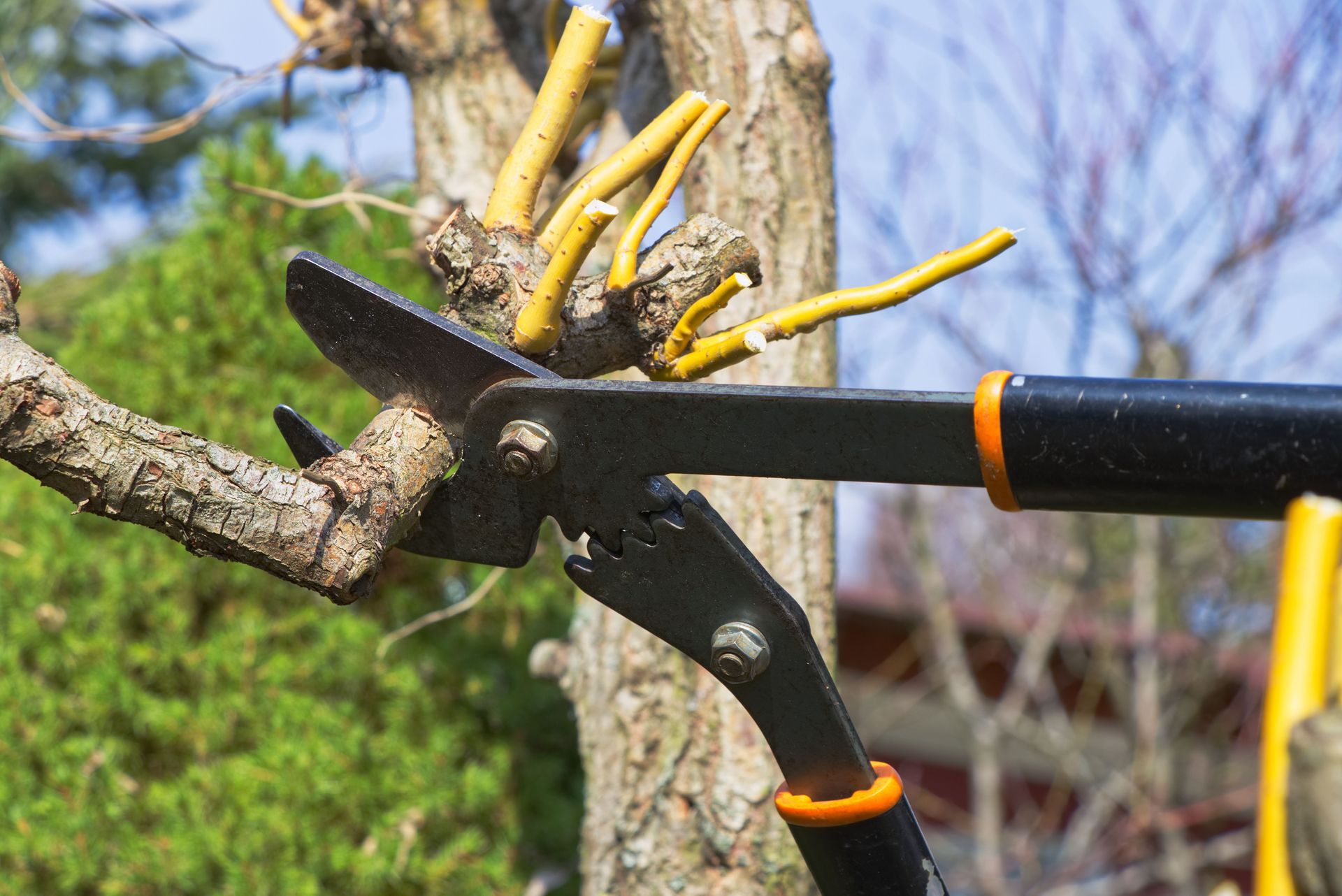
Different pruning approaches may be used depending on the condition and needs of the tree or shrub. An arborist selects methods that align with natural growth patterns while maintaining plant health and safety. These techniques help reduce stress and encourage balanced development. Proper timing also plays an important role in effectiveness.
Routine maintenance helps support long-term landscape stability. Proper care planning ensures trees and shrubs remain well-structured, visually balanced, and less prone to stress-related issues. Consistent evaluation helps maintain healthy growth patterns over time. This reduces the likelihood of unexpected decline.
Balanced Soil Care
Nutrient availability plays an important role in supporting healthy tree and shrub growth. Arborists assess soil conditions and recommend fertilization approaches that align with the specific needs of the landscape. Balanced nutrition supports stronger root systems and healthier canopy development. This contributes to improved long-term stability.
Soil quality, including nutrient levels and structure, influences root development and overall plant health. In some cases, soil adjustments may be recommended to improve growing conditions and support long-term vitality. These improvements help enhance water retention and nutrient absorption. Healthier soil leads to stronger plant performance.
Regular evaluation of soil and nutrient conditions helps ensure trees and shrubs receive the support they need to maintain healthy growth over time. Monitoring conditions allows for timely adjustments when needed. This ongoing process helps maintain consistent landscape health. It also reduces the risk of decline.
Invasive Plant Control
Invasive plant species can negatively impact landscape health by competing with desirable vegetation and disrupting natural ecosystems. Arborists provide management strategies for controlling invasive plants such as English ivy, kudzu, oriental bittersweet, and other aggressive species. Removal strategies help restore balance within the landscape. Long-term control supports healthier plant communities.
Specialized care is also provided for specific tree and shrub health concerns, including issues affecting shrubs and beech trees. These targeted approaches help preserve plant health and maintain balanced landscapes. Treatment strategies are adjusted based on plant condition and severity. This helps protect long-term landscape stability.
Strategic Tree Care Planning
Effective tree care involves ongoing evaluation and planning based on site conditions and plant health needs, and an arborist helps guide this process. Strategies are developed to support long-term stability and reduce the likelihood of decline or failure. Careful planning helps maintain healthier landscapes. This approach improves overall sustainability.
Construction and development activities can also impact tree health. Arborists assist with evaluating trees during these projects and provide guidance to help protect existing vegetation from unnecessary damage. Planning ahead helps preserve established landscapes. This reduces long-term environmental impact.
Responsive Emergency Care
Severe weather or structural failure can create situations where immediate tree care is required, and an arborist responds to these conditions. Hazardous trees are assessed and managed to restore safety and minimize further impact. Rapid response helps protect surrounding property. This ensures safer outdoor environments.
Emergency response may involve removing damaged sections or addressing unstable trees to reduce risk to surrounding property. These services help restore safe conditions following unexpected events. Careful handling reduces further damage. Restoration efforts prioritize stability and safety.
An arborist plays an important role in supporting healthy, stable, and well-managed landscapes through careful assessment and ongoing care. Their services include diagnosis, pest and disease management, pruning, fertilization, and emergency response, all aimed at maintaining long-term tree and shrub vitality. They also address invasive plant concerns and provide guidance for protecting trees during construction and development, helping preserve overall landscape integrity across a variety of settings. Together, these efforts contribute to stronger, more resilient outdoor environments.
To learn more about professional tree and shrub care services, Lasbury Tree and Shrub LLC offers comprehensive arborist support focused on plant health, pest and disease management, invasive species control, pruning, fertilization, emergency response, and landscape consulting.