January 8, 2026
Local arborists play a meaningful role in guiding how communities care for trees, shrubs, and complex landscapes over time. Their work supports healthier outdoor environments by strengthening plant systems that contribute to cleaner air, improved water management, and balanced ecosystems. Sustainable landscapes also influence how neighborhoods function socially and economically by creating green spaces that support daily life. From long-standing garden settings to evolving urban areas, thoughtful arboricultural care helps landscapes remain resilient as conditions change. Understanding how arborists contribute to sustainability provides a clear foundation for exploring the practices and impacts that shape healthier landscapes.
Supporting Community Green Spaces Through Urban Forestry
Local arborists are closely involved in maintaining community green spaces through informed urban forestry practices. Urban environments present challenges such as compacted soil, limited rooting areas, and exposure to pollutants that can weaken plant health over time. Arborists address these issues by assessing site conditions and guiding long-term care plans that support tree and shrub health. Their involvement helps green spaces remain functional rather than decorative, allowing trees and shrubs to contribute meaningfully to environmental balance. These efforts reinforce the importance of consistent professional oversight in shared landscapes. Over time, this approach helps neighborhoods maintain stable canopies that adapt to population growth and land use changes. In addition, coordinated planning helps ensure trees are positioned to support pedestrian use, visibility, and surrounding infrastructure. This level of foresight strengthens how green spaces perform as active parts of the community.
Improving Environmental Outcomes With Healthy Tree Systems
Healthy tree systems influence how cities manage heat, air quality, and water flow. Trees maintained under structured care programs help moderate surface temperatures and provide shaded areas that reduce strain on surrounding infrastructure. According to the Environmental Protection Agency, properly maintained urban trees can cut stormwater runoff by as much as 17%, easing pressure on drainage systems. Local arborists integrate this understanding into planning decisions that align plant health with broader environmental needs. Their work connects landscape care directly to sustainable urban performance. These benefits become increasingly valuable as communities face heavier rainfall events and longer warm seasons. Improved tree performance also contributes to better soil absorption rates across developed areas. Together, these outcomes support more resilient environmental systems within growing communities.
Guiding Historic Sites With Sensitive Landscape Management
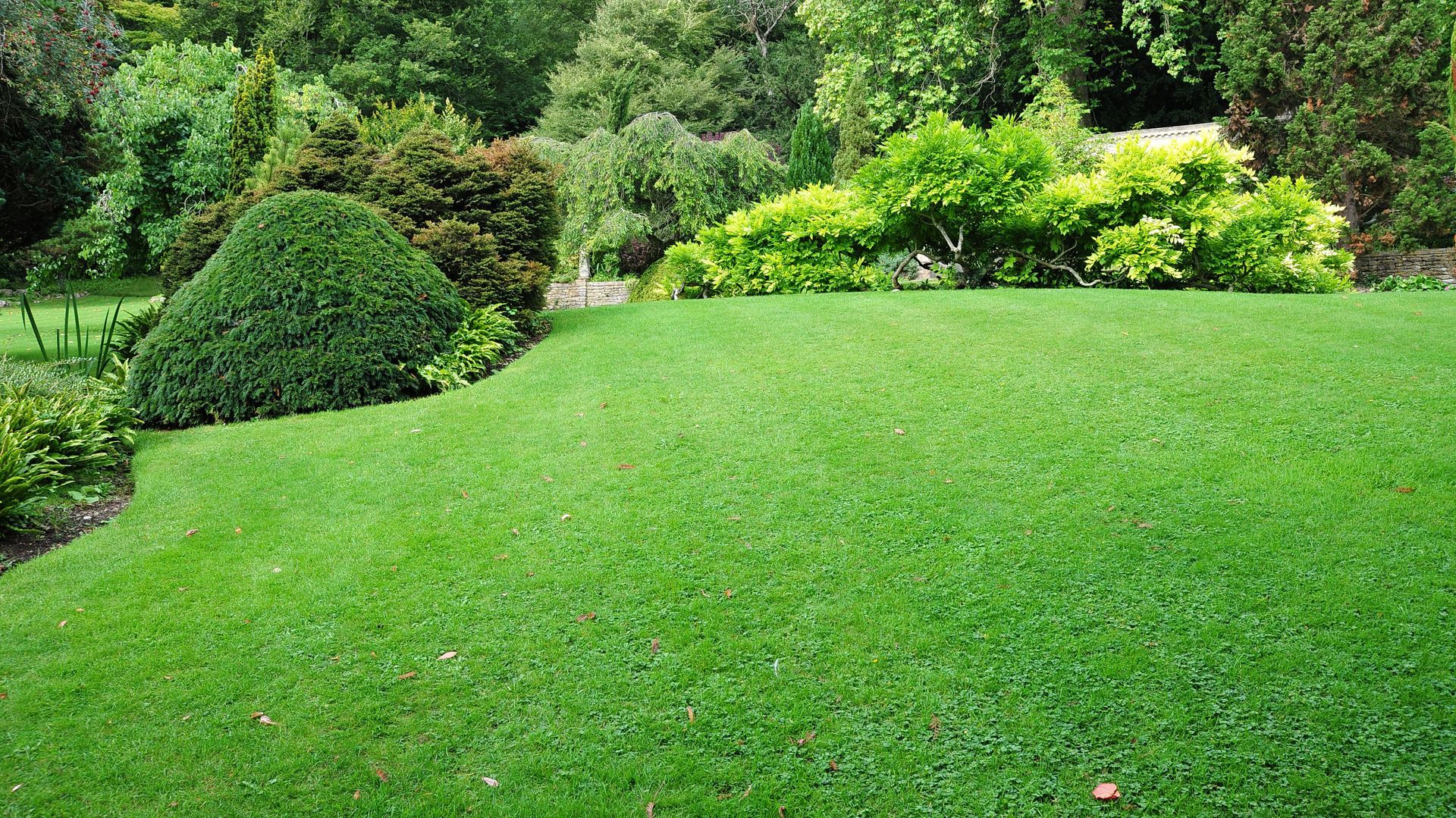
Treatment of complex and/or historic garden landscapes requires a careful balance between preservation and plant vitality. Older landscapes often include mature trees, layered plantings, and soil conditions shaped by decades of growth. Arborists evaluate these elements without disrupting the historical character of the site. Their approach focuses on maintaining original design intent while improving long-term plant stability. This level of care allows historic landscapes to remain functional and visually cohesive as living environments. Sensitive management also helps reduce stress on aging trees that contribute to a site’s cultural identity. Attention to root zones and soil conditions further supports the longevity of established plantings. This careful oversight protects both historical value and ongoing landscape performance.
Strengthening Plant Resilience Through Landscape IPM
Landscape IPM plays a central role in reducing stressors that weaken trees and shrubs. Rather than relying on reactive measures, this approach emphasizes monitoring, prevention, and targeted responses. Local arborists use Landscape IPM to identify early indicators of pest or disease activity and respond in ways that support overall plant health. This method helps reduce unnecessary interventions while maintaining ecological balance. Over time, integrated management supports stronger, more adaptable landscapes that recover more efficiently from environmental stress. Early detection also limits the spread of issues that could affect surrounding plant systems. As a result, landscapes maintain healthier growth cycles throughout the year.
Maintaining Tree and Shrub Health With Ongoing Assessments
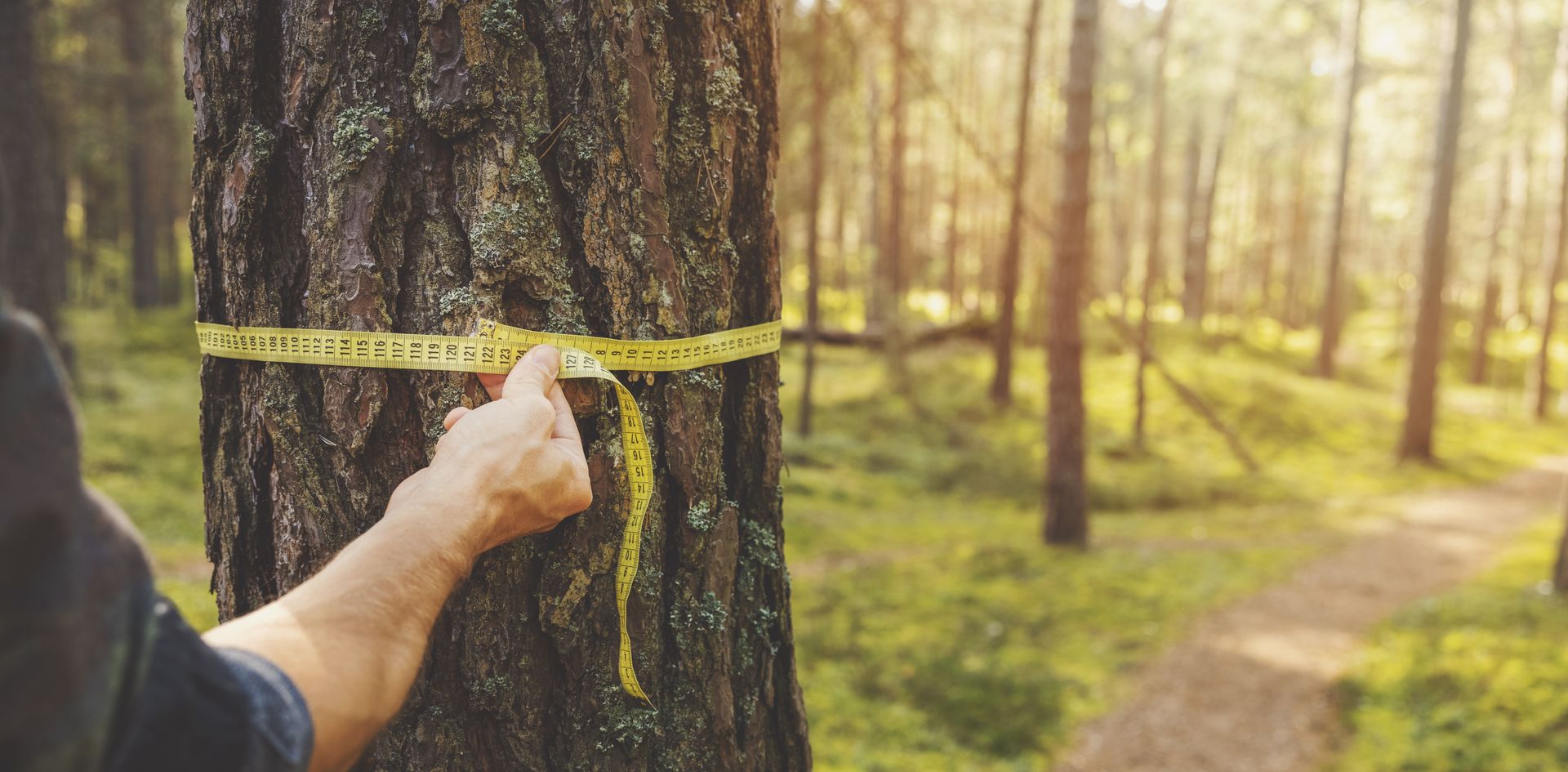
Tree and Shrub Health depends on consistent observation and informed adjustments as conditions change. Soil composition, moisture levels, and seasonal growth patterns all influence how plants perform year after year. Arborists conduct regular assessments to track these variables and recommend care strategies that promote stability. Their involvement helps prevent a gradual decline that may not be immediately visible. Sustained attention ensures landscapes remain safe, healthy, and visually consistent while supporting long-term growth expectations. These evaluations also help anticipate potential issues before they impact overall site appearance. Ongoing assessments strengthen landscape reliability across changing seasons.
Adapting Landscapes to Climate Shifts With Strategic Care
Changing weather patterns place additional pressure on trees and shrubs in managed landscapes. Extended heat, heavier rainfall, and irregular seasonal cycles can disrupt established growth habits. Local arborists respond by adjusting care schedules and supporting plant systems that are better suited to evolving conditions. Their strategies emphasize resilience rather than short-term correction. This adaptability is essential for maintaining sustainable landscapes under shifting environmental influences that affect soil health and root development. Strategic care also helps landscapes respond more evenly to temperature fluctuations. Over time, this approach supports consistent plant performance despite climate variability.
Enhancing Biodiversity Through Thoughtful Plant Stewardship
Biodiversity within managed landscapes depends on balanced plant systems that support varied forms of life. Trees and shrubs serve as habitat, food sources, and protective cover for many species. Arborists encourage diversity by supporting healthy growth patterns rather than uniform appearance. This approach allows landscapes to function as interconnected ecosystems. Increased biodiversity strengthens resilience and reduces vulnerability to widespread plant stress across larger areas. Diverse plant systems also improve soil structure and nutrient cycling. These benefits contribute to healthier landscapes that sustain themselves more effectively.
Reducing Long-Term Costs With Preventive Landscape Care
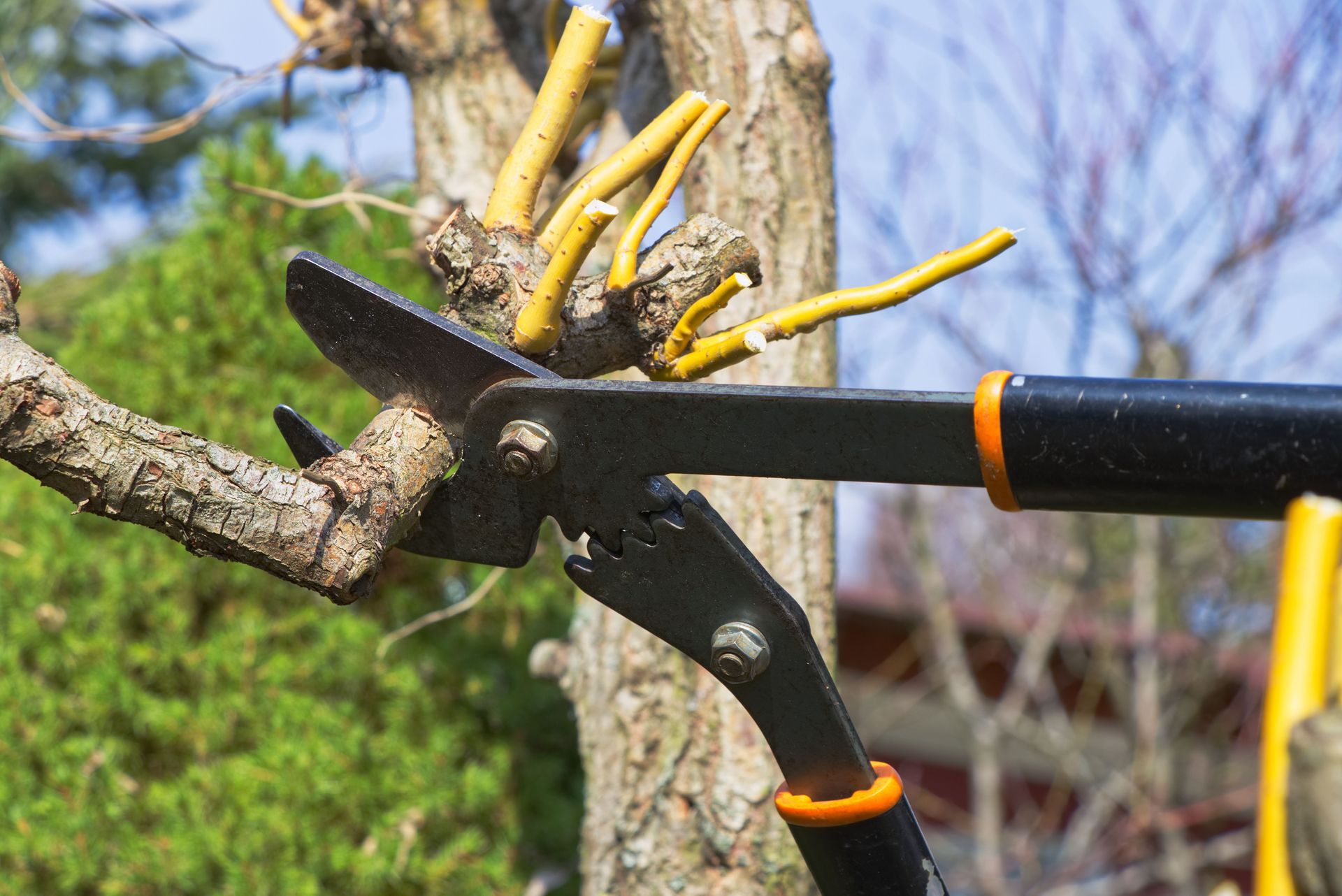
Preventive care often results in lower long-term costs for property owners and communities. Addressing plant health concerns early helps avoid large-scale removals or emergency responses later. Local arborists focus on identifying structural or health-related issues before they escalate. This proactive approach supports budget stability while preserving landscape value. Sustainable care aligns environmental responsibility with financial practicality. Planned maintenance also helps extend the lifespan of established trees and shrubs. Over time, these savings reinforce the value of consistent professional oversight.
Supporting Community Well-Being Through Accessible Green Areas
Green spaces influence mental and emotional well-being by offering areas for rest, movement, and social interaction. Trees and shrubs maintained through professional care provide reliable shade, visual comfort, and natural separation from urban stressors. Local arborists help ensure these spaces remain safe and welcoming for regular use. Their work supports community access to healthy outdoor environments. Over time, well-maintained landscapes become integral to daily routines and neighborhood identity. Accessible green areas also encourage greater outdoor engagement across age groups. This connection strengthens the social role of shared landscapes.
Encouraging Responsible Growth With Long-Term Planning
Sustainable landscapes require planning that looks beyond immediate appearance. Arborists contribute insight that supports long-term growth patterns and site functionality. Their recommendations help align plant care with future development or land use changes. This perspective reduces conflict between natural systems and built environments. Responsible planning strengthens landscape performance across generations. Forward-looking strategies also help preserve tree health as surrounding areas evolve. This balance supports steady growth without sacrificing environmental stability.
Integrating Professional Knowledge With Community Goals
Successful landscape management often reflects collaboration between property owners, planners, and care providers. Arborists translate technical knowledge into actionable guidance that supports shared goals. Their role bridges environmental needs with practical expectations for use and appearance. This integration ensures landscapes remain both functional and sustainable. Professional insight adds clarity to complex landscape decisions. Clear communication also helps align maintenance efforts with long-term community priorities. Together, these partnerships support landscapes that serve both people and the environment.
Local arborists contribute far more than routine maintenance to the landscapes they support. Their work strengthens environmental systems, protects historic settings, and promotes healthier trees and shrubs through informed care practices. Sustainable landscapes rely on consistent evaluation, adaptive strategies, and an understanding of how plant health connects to broader community needs. When professional guidance is applied thoughtfully, landscapes remain resilient and valuable over time. At Lasbury Tree and Shrub LLC, we support long-term landscape health through informed services and invite property owners to connect with our team to discuss sustainable care solutions that align with their landscape goals.