November 11, 2026
Arborists play a fundamental role in maintaining healthy urban and rural forests. Their work includes pruning, trimming, assessing tree health, and even removing dead or dangerous trees. To perform these tasks effectively and safely, arborists rely heavily on a well-chosen set of tools. The selection of the right tools is crucial because it not only ensures the health of the trees but also optimizes the efficiency of the arborist's work. Let's take a moment to explore the various considerations that a local arborist weighs when choosing the right tools for the job.
Understanding the Job Requirements
Identifying Tree Species
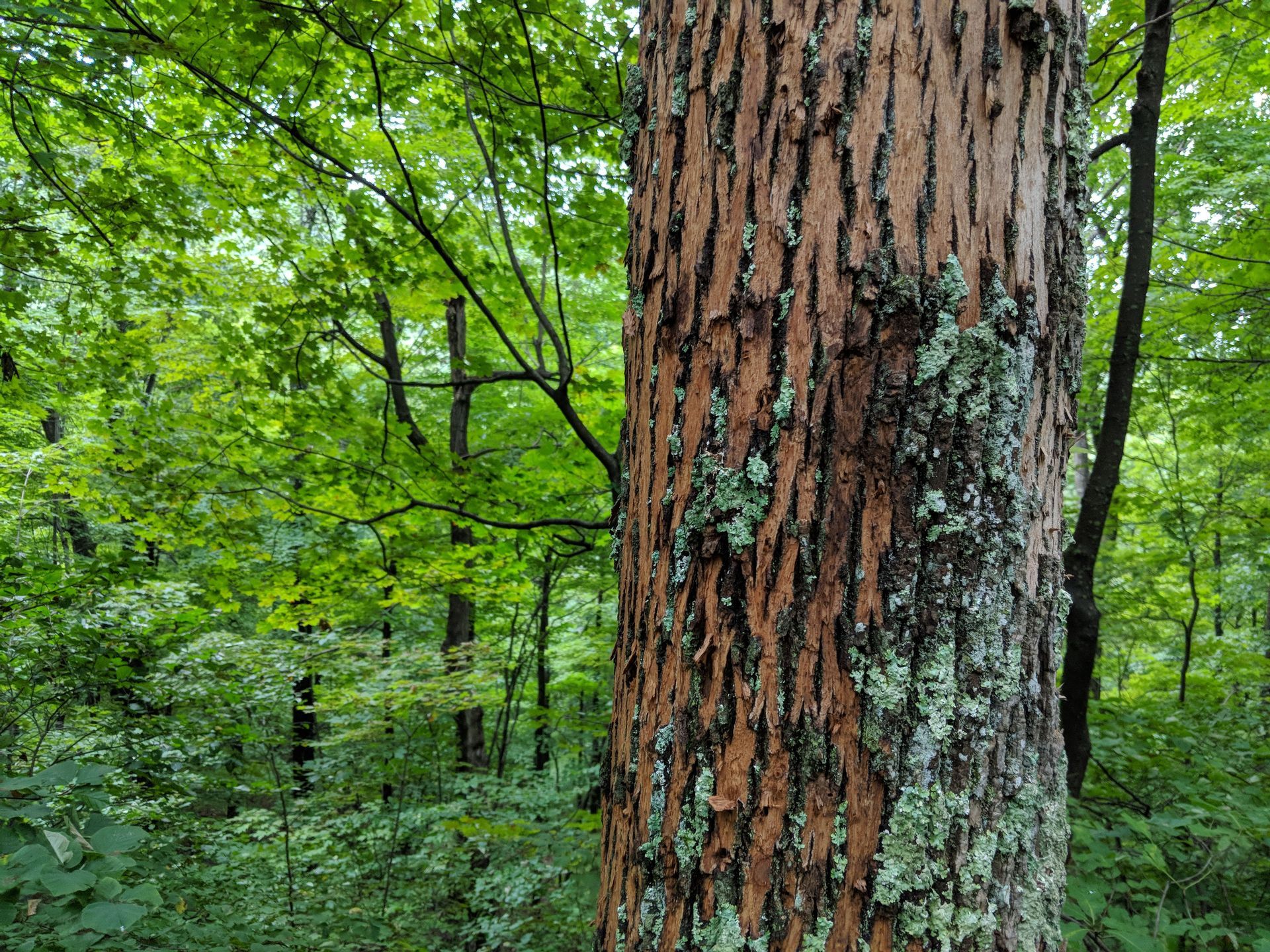
Every tree species has unique characteristics that require specific attention and tools. For example, hardwoods like oak and maple often necessitate the use of stronger cutting equipment compared to softer woods. Arborists examine the species to determine which tools will cause the least damage while being efficient. Knowing the tree species helps in selecting tools that ensure precision and minimize unwanted pruning. Additionally, a local arborist must be familiar with growth patterns and seasonal cycles of different species to effectively plan their work.
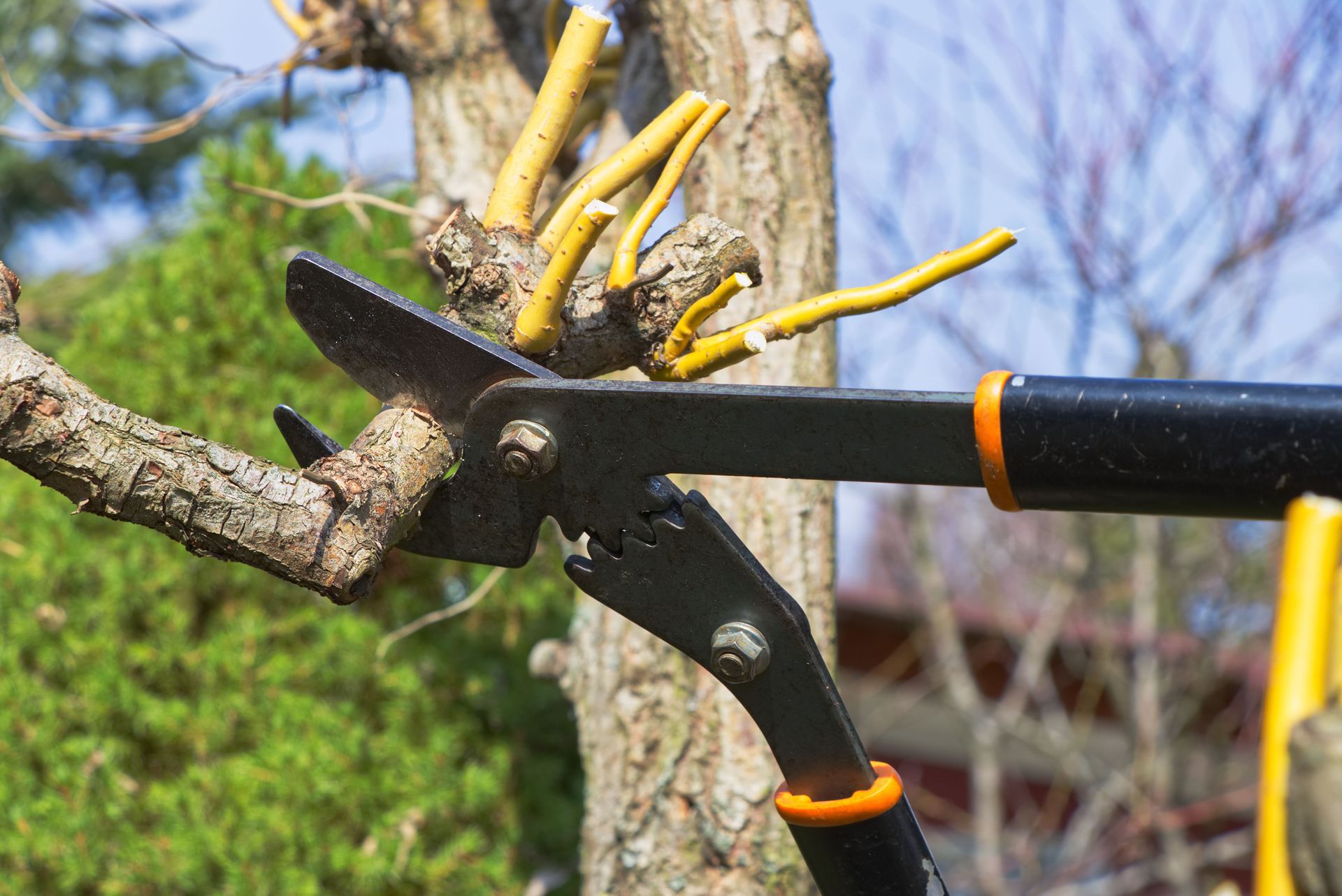
For example, hand shears are commonly used to cut small branches measuring up to 1/4 inch in diameter, according to This Old House, which is a tool preference often dictated by the type of tree being handled. Citrus trees, in contrast, may require tools like saws depending on the thickness of the branches. Understanding the species helps arborists anticipate how a tree will respond to cutting and promotes healthier growth. The wrong tool can lead to stress, disease, and poor healing in trees. Therefore, knowing individual tree species is invaluable during tool selection to facilitate healthy and responsible tree management.
Assessing Tree Health
Before any work begins, a local arborist must assess the tree's health to determine the appropriate intervention. A healthy tree may require different tools compared to a tree that is diseased or damaged. For instance, diseased branches might need to be removed entirely using saws to prevent contagion, while healthy trees may only need light trimming with hand shears. Identifying signs of ailments such as fungal infections, pests, or structural weaknesses helps arborists select the right tools to address these issues effectively. Moreover, this assessment aids in preserving the integrity of the tree, optimizing its longevity and health.
Assessment tools also contribute to the overall evaluation of a tree's health. Devices such as tree borers or increment borers allow arborists to inspect internal wood conditions. This technology assists in identifying decay and internal diseases that aren't visible from the exterior. Using technology, arborists can make informed decisions about the necessity for industrial-strength equipment or delicate hand-held tools. Once health is assessed, arborists can implement an action plan tailored to the tree's specific needs, reducing waste and maximizing job site efficiency.
Evaluating Site Conditions
Site conditions significantly impact tool choice, with factors like location, terrain, and available space playing pivotal roles. Urban areas may require compact, noise-limited tools due to space constraints and noise ordinances, while rural settings offer more flexibility. Steep terrains necessitate lightweight, maneuverable tools to improve arborist agility and reduce the physical strain of equipment transportation. Arborists evaluate these conditions to determine which tools will offer practicality and efficiency without compromising safety. In challenging site conditions, arborists might prioritize the use of compact power tools to offset mobility restrictions.
Moreover, restricted spaces may favor the use of manual tools over bulky power equipment. Such scenarios may see a local arborist opting for hand saws and shears over chainsaws to safely negotiate confined spaces, maintaining precision and control. Similarly, poles or telescopic pruners might be employed to address limbs situated at heights across expansive or obstructed spaces. Proper evaluation of site conditions helps arborists navigate through each environment effectively, deploying tools that cater to specific site demands while managing risk exposure adequately.
Determining Job Scope
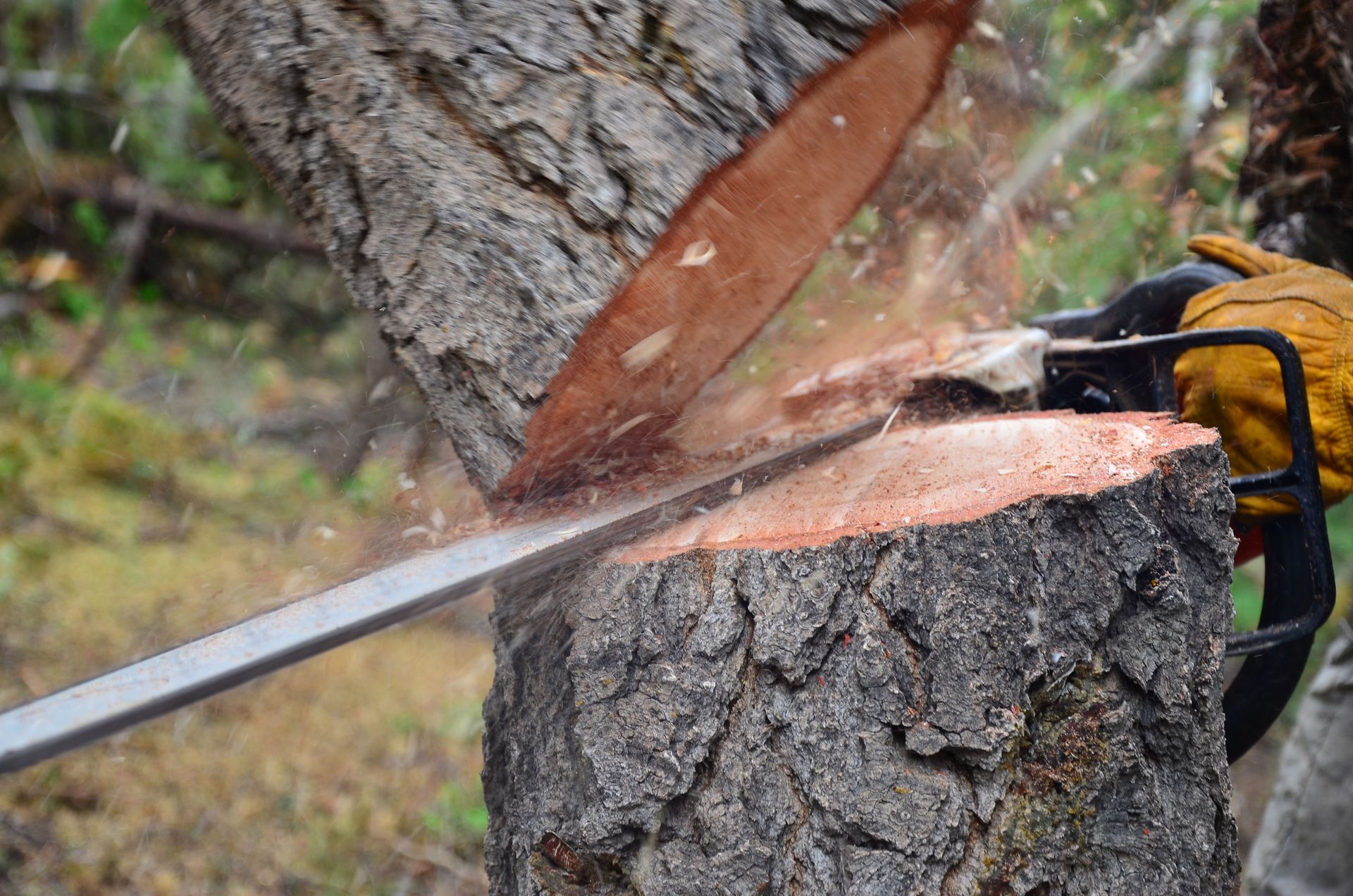
An accurate assessment of the job scope helps arborists decide between manual and power tools when approaching a project. The scale of the task may necessitate the use of power tools for efficiency, particularly in larger-scale or resource-heavy jobs. This is especially relevant when dealing with extensive pruning or complete tree removal, which generally requires more robust equipment like chainsaws. Conversely, smaller maintenance tasks might be best handled with manual tools that allow for precision and subtlety. This dual-purpose strategy maximizes a professional's effectiveness across diverse tasks.
Moreover, job scope analyses help establish the variety of tools required to achieve the desired outcome in an eco-friendly manner. Managing cost-effectiveness and time efficiency directly ties into selecting tools that suit both the size and complexity of a job. By defining the job scope, arborists calibrate their tool choices to align with the project's speed and material demands, ensuring resources are deployed optimally for safe, effective work. This differentiation between task scales underscores the importance of scoped tool selection in balancing workload management.
Compliance With Safety Standards
Adhering to safety standards is a critical part of the arborist profession, as it ensures that tools and techniques used comply with industry guidelines. Safety regulations influence tool choice substantially, with arborists needing to select tools that maximize safety while fulfilling task objectives. For example, OSHA has specific guidelines about fall protection and the types of cutting tools that ensure safe practices. Choosing tools in compliance with these standards helps reduce the chances of accidents and injuries. Understanding and implementing safety policies is integral to maintaining safe and effective work environments.
Furthermore, tools must meet specifications that reduce the frequency of potential hazards, such as kickback in chainsaws or accidental cuts from hand tools. Preferring tools with advanced safety features like automatic sharp stops or ergonomic designs extends this compliance across the field. Arborists, therefore, ensure that each tool aligns with the highest safety standards and contributes to a safer working atmosphere. Furthermore, compliance with such standards reflects a company's or professional's commitment to sustainable and responsible tree care through superior tool selection standards.
Choosing Between Manual and Power Tools
The decision to use manual versus power tools hinges on a multitude of factors, including the nature of the task, costs, and project location. A local arborist will often perform a comprehensive task assessment to determine which tools best meet the requirements for precision, efficiency, and safety. For precision work, particularly pruning smaller branches or decorative shaping tasks, manual tools such as hand shears might take precedence. Conversely, large-scale jobs or those requiring significant branching reduction where time is of the essence are ideally tackled using power tools like chainsaws to maximize efficacy.
Additionally, the geographical and environmental considerations of a job site considerably guide tool choice. In remote or environmentally sensitive environments, arborists might prefer the quieter manual tools to avoid disturbing ecological systems or minimizing resource strain. Yet urban settings, where completions are time-sensitive and output is king, might favor power tools that accelerate job turnaround. By carefully weighing these variables, arborists make informed decisions about which tools are most suited to the specific arrangements of a task, ensuring optimal execution under varying conditions.
Tool selection is far more than a matter of convenience; it's a calibrated discipline balancing biological preservation, operational efficiency, and human safety. Every piece of equipment a local arborist brings to a site reflects a deliberate calculation based on species vulnerability, structural pathology, local terrain, and rigorous regulatory standards. By strategically navigating the trade-offs between the delicate precision of manual implements and the raw efficiency of modern power machinery, the professionals at Lasbury Tree and Shrub LLC protect not only their own well-being but the long-term vitality and aesthetic value of the urban canopy. Reach out to us today to get started with experts who know how to use the right tools for the job!